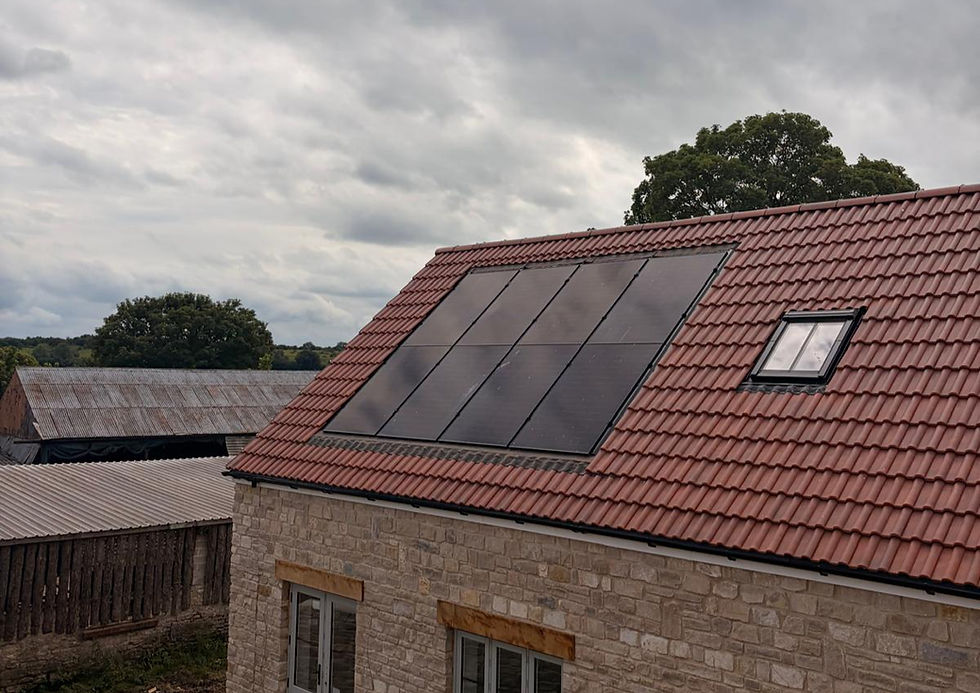
Is Battery Storage Worth It Without Solar Panels?

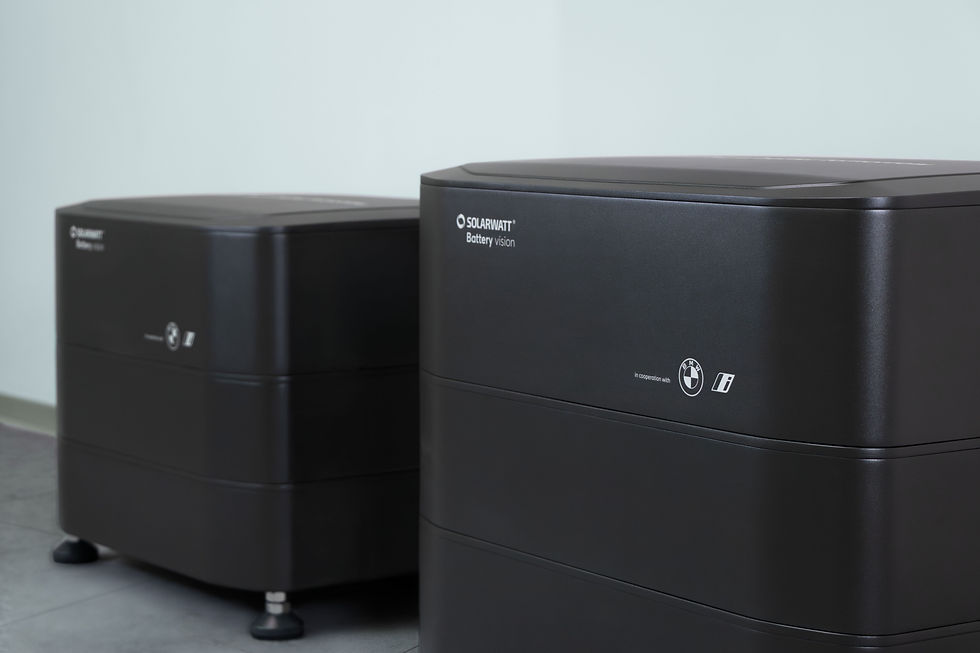
When most people think about home battery storage, they usually picture it alongside solar panels.
Solar panels generate electricity during the day, the battery stores what is not used straight away, and the home can then use that stored energy later in the evening.
That setup makes sense. But it also raises another question.
Is battery storage still worth it if you do not have solar panels?
The honest answers is: sometimes.
A battery can work without solar panels, but the value depends heavily on your electricity tariff, household usage, battery size and long-term plans. For some homes, a standalone battery can help reduce reliance on peak-rate electricity. For others, the savings may not be strong enough to justify the upfront cost on their own.
How Does Battery Storage Work with Solar Panels?
A home battery does not have to be charged by solar panels.
Without solar PV, the battery can be charged from the grid, usually when electricity is cheaper. The stored electricity can be used later in the day when grid electricity is more expensive.
This is often called load shifting.
For example, a homeowner on a smart time-of-use tariff may be able to charge their battery overnight during cheaper off-peak hours, then use that stored electricity during the morning or evening when household demand is higher.
Energy Saving Trust explains that batteries can be charged from the grid as well as from solar panels, particularly when using smart time-of-use tariffs.
In simple terms, the battery acts like a buffer between your home and the grid.
It does not generate electricity. It helps control when you buy and use it.
Why Would Someone Install a Battery Without Solar?
There are a few reasons a homeowner might consider battery storage before adding solar panels.
The first is tariff flexibility.
If you can access cheaper overnight electricity, a battery may allow you to store that lower-cost energy and use it during more expensive periods. This can be useful for homes with higher evening demand, especially where appliances, heating, hot water, cooking and EV charging increase electricity use.
The second reason is future planning.
Some homeowners install battery storage first because they plan to add solar panels later. In that case, the battery becomes part of a staged approach to building a more complete home energy system.
The third reason is resilience.
Some battery storage systems can provide backup power during a power cut, although this depends on the system specification. Not every home battery automatically provides backup functionality, so this needs to be designed in from the start.
When Battery Storage Without Solar Can Make Sense
A standalone battery is more likely to make sense if your home has a clear difference between cheap and expensive electricity rates.
This is where smart tariffs matter.
If electricity is much cheaper overnight than during the day, a battery can charge when costs are lower and discharge when costs are higher. The bigger the difference between those rates, the more opportunity there is to save.
Battery storage without solar may suit homes with:
High evening electricity use
An EV charger
Electric hot water heating
A time-of-use electricity tariff
Plans to add solar PV in the future
A desire to reduce peak-time grid demand
It may also appeal to households that are gradually electrifying their home.
For example, if a homeowner has moved from a gas boiler to a heat pump, or plans to add an EV charger, their electricity usage profile may change. A battery can help manage some of that demand, especially if it is linked with the right tariff and controls.
When It May Not Be Worth It
Battery storage without solar is not always the right choice.
If you are on a standard electricity tariff with little difference day and night rates, the savings may be limited. In that situation, the battery has less opportunity to buy cheap electricity and avoid expensive electricity.
It may also be less suitable if your home has low electricity use.
A battery needs regular charge and discharge cycles to provide value. If your household does not use much electricity in the evening or overnight, the battery may not be used enough to justify the cost.
Oversizing can also be a problem.
A larger battery is not automatically better. If the battery is too big for the home's actual usage, part of its capacity may sit unused. That can increase the upfront without improving the return.
The key question is not simply, "Can I install a battery without solar?"
It is:
Will the battery be used enough, and charged cheaply enough, to make the investment worthwhile?
Battery Storage with Solar vs Without Solar
Battery storage usually works best when it is paired with solar panels.
That is because the battery can store electricity generated on-site, rather than relying only on electricity bought from the grid. Instead of exporting surplus solar energy during the day, the homeowner can store it and use it later.
Without solar, the battery can still be useful, but it depends much more on the tariff.
With solar, the battery is helping you use more of your own generation.
Without solar, the battery is mainly helping you shift when you buy electricity.
Both can be valuable, but they are not the same.
A standalone battery is more dependent on electricity prices differences, smart controls and usage patterns. A solar and battery system has the added benefit of generating electricity on-site.
What about the Smart Export Guarantee?
The Smart Export Guarantee is mainly relevant to homes with renewable generation, such as solar PV. It allows homeowners to be paid for surplus electricity exported back to the grid. Solar Energy UK describes the Smart Export Guarantee as the way homeowners are paid for power they export to the grid from a solar PV system.
For a battery-only system, export income is not usually the main reason to install one.
The main value is more likely to come from storing cheaper grid electricity and using it later, rather than earning money from export.
This is another reason why solar panels can strengthen the case for battery storage. Solar gives the battery an additional source of energy and can open up more ways to use, store and export electricity.
What Should Homeowners Consider Before Installing a Standalone Battery?
Before deciding whether battery storage is worth it without solar panels, homeowners should look at a few practical points.
Your electricity usage
How much electricity do you use, and when do you use it? A home that uses a lot of electricity in the evening may benefit more than one with low demand.
Your tariff
Battery storage works best when there is a meaningful difference between cheap and expensive electricity rates. If the tariff does not support load shifting, the savings may be limited.
Battey size
The battery should be sized around your actual usage, not just installed as the largest option available. Oversizing can make the payback period longer.
Future solar plans
If you are likely to install solar panels later, choosing a battery system that can integrate with solar PV is important.
Controls and monitoring
A battery is only as useful as the way it is managed. Smart controls, monitoring and correct setup all play a role in how much value the system delivers.
So, Is Battery Storage Worth it Without Solar Panels?
Battery storage can be worth it without solar panels, but it is not a guaranteed saving for every home.
It is most likely to make sense when the homeowner has access to a suitable smart tariff, uses enough electricity during peak periods, and has a battery system sized around their actual demand.
It is less likely to make sense if electricity usage is low, tariff savings are small, or the battery is oversized for the home.
For many homeowners, the strongest long-term case is still a battery installed as part of a wider energy system. That might include solar PV, a heat pump, EV charging and smart energy controls.
On its own, a battery can help manage electricity costs.
As part of a well-designed whole-home energy system, it can do much more.
Quick Comparison: Battery Storage With & Without Solar Panels
Factor | Battery without solar | Battery with solar |
Main Purpose | Store cheaper grid electricity | Store unused solar generation |
Best Suited To | Homes on smart time-of-use tariffs | Homes generating solar electricity |
Savings Depend On | Tariff difference and usage patterns | Solar generation, usage and tariff |
Export Potential | Usually limited | Can export surplus electricity |
Future Flexibility | Can be a first step before solar | Part of a complete home energy system |
Key Risk | Savings may be limited without the right tariff | Poor sizing can reduce value |
Deciding Whether Standalone Battery Storage Makes Sense
Battery storage without solar panels can be useful, but it needs to be approached carefully.
The battery itself is only one part of the decision. The bigger question is how your home uses electricity across the day, what tariff you are on, and whether the system sits into your longer-term energy plans.
If you are planning to add solar panels in the future, installing battery storage can be part of a staged approach. But if you are looking at a battery as a standalone investment, the numbers need to be checked properly.
At Green Flare, we look at how your home uses energy before recommending a system. That means considering your electricity usage, tariff, future solar potential and wider energy setup.