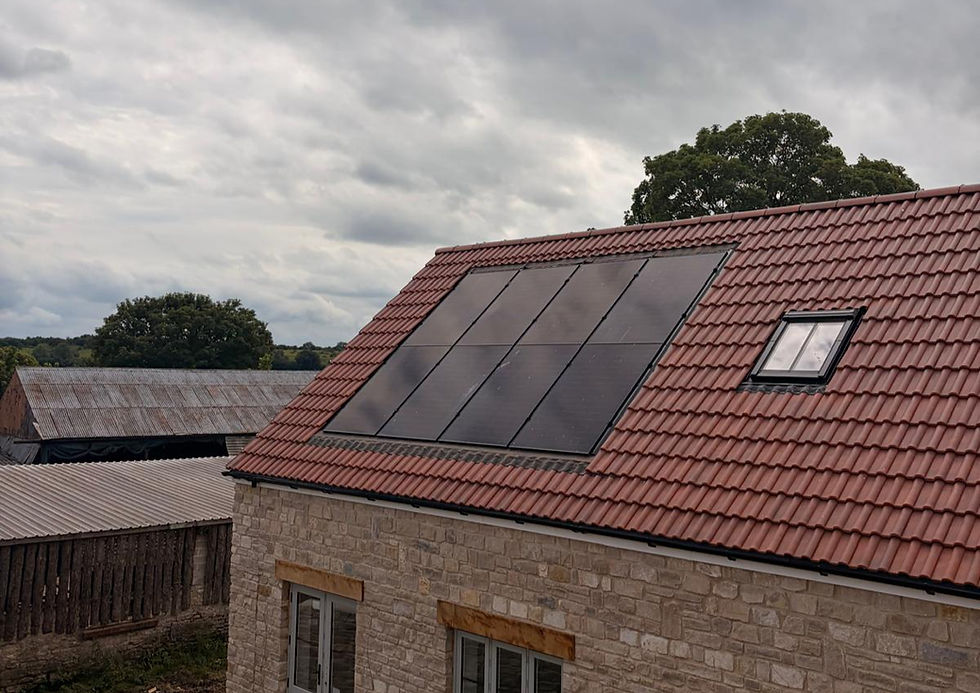
Solar Panels and EV Charging: How to Power Your Car From Your Roof


More homeowners are starting to think different about how they power their homes.
It is no longer just about heating, lighting and appliances. For many households, the car is now part of the home energy system too.
If you already own an electric vehicle, or you are thinking about getting one, your electricity use is likely to increase. Charging at home is usually much cheaper and more convenient than relying on public chargers, but there is an even better opportunity available.
Using electricity generated by your own roof.
Solar panels and EV charging can work extremely well together. Your solar panels generate electricity during the day, and a smart EV charger helps you use that electricity to charge your car when it makes sense.
When the system is designed well, you can reduce how much electricity you buy from the grid, make better use of your solar panels and take more control over your home energy costs.
Why EV Charging Changes Your Electricity Use
An electric vehicle can become one of the biggest electricity users in your home.
That does not mean it is problem. In fact, charging at home is the biggest advantages of owning an EV. You can plug in on your driveway, avoid public charging queues and often charge for less than the cost of using rapid chargers.
But it does mean your home energy use changes.
Instead of only using electricity for the house, you are also using it to power your journeys. This is why it makes sense to think about EV charging alongside solar panels, battery storage and your wider home energy setup.
A basic charger will charge your car when it is plugged in.
A smart charger gives you more control. It can help you charge at certain times, use cheaper electricity rates, or make better use of your solar generation.
Can Solar Panels Charge An Electric Car?
Yes, solar panels can help charge an electric car.
But it is not quite as simple as plugging your car directly into your roof.
Your solar panels generate electricity during daylight hours. That electricity is first used by your home. If your panels are producing more than your home needs at the moment, the spare electricity can be sent elsewhere.
Depending on your setup, it could;
Charge your electric car
Charge your home battery
Be exported back to the grid
This is where a smart EV charger becomes important. It can be set up to use spare solar electricity when it is available, helping you charge your car with more of your own renewable energy.
So, rather than thinking of solar panels and EV chargers as two separate products, it is better to think of them as parts of one system.
What If Your Car Is Not Home During The Day?
This is a common concern.
Solar panels generate the most electricity during the day, but many people are out at work with their car. So, does solar still make sense?
In many cases, yes.
Your solar panels can still power the rest of your home while in the sun is shining. If you work from home some days, charge at weekends, or have another vehicle at home, you may still be able to use a good amount of solar electricity for EV charging.
Battery storage can also help.
A home battery can store some of the electricity your solar panels produce during the day, so you can use it later when you are home. This can help reduce your reliance on the grid in the evening.
However, it is important to be realistic. A typical domestic solar PV system will not charge an electric car on its own. EV batteries are much larger than most home batteries.
The goal is not always to charge your car completely from solar every time. The goal is to use more of your own electricity and buy less from the grid where possible. These incremental savings add up!
Why Smart Charging Matters
Smart charging helps you control when and how your car charges.
This matters because electricity does not always cost the same throughout the day. Some tariffs offer cheaper overnight rates, while solar panels produce electricity during day light hours.
A smart charger can help you make better decisions.
For example, you may want to:
Charge from spare solar electricity during the day
Charge overnight using a cheaper tariff
Set a minimum battery level before a journey
Avoid charging during expensive peak periods
Prioritise your home's energy use before charging the car
This gives you more flexibility.
Instead of your car simply pulling electricity from the grid whenever it is plugged in, your charger can work around your energy generation, your tariff and your daily routine.
Do You Need A Battery As Well?
You do not always need battery storage, but it can make your system more useful.
Without a battery, solar electricity needs to be used when it is generated. That can work well if your home during the day or if your car is often parked on the driveway.
With a battery, you can store more of your solar electricity and use it later. This can be helpful in the evening, when solar generation drops but your home still needs power.
For many homeowners, the best setup is not just solar panels and an EV charger. It is a system where solar, battery storage and EV charging all work together.
Your solar panels generate electricity.
Your home uses what it needs.
Your battery stores spare electricity.
Your EV charger uses solar or grid electricity depending on what is available and what you have asked it to do.
That is how you start to get more value from your system.
What Happens To Spare Solar Electricity?
If your solar panels generate more electricity than your home, battery, or car can use, the spare electricity can be exported to the grid.
You may be able to receive payments for this through an export tariff.
This is useful, but in many cases, using your own solar electricity at home is more valuable than exporting it.
For example, if your solar panels can help charge your car, that is electricity you do not need to buy from the grid later. This can be especially useful if you would otherwise be charging during a more expensive period.
Exporting electricity is not a bad thing. It usually makes sense to use as much of your own solar generation as possible first.
How Much Solar Do You Need To Charge An EV?
This depends on your home, your car and how you use both.
There is no single answer that works for every property.
A homeowner who drives short distances and works from home will have very different needs to someone who commutes every day and only chargers in the evening.
The right system depends on things like this:
How much electricity your home uses
How often you charge your car
How many miles you drive
Whether your car is home during the day
How much roof space you have
Whether you want battery storage
Whether you add a heat pump in the future
This is why the design stage is so important.
The aim is not always to cover every mile with solar power. For many households, the aim is to reduce grid use, lower running costs and make the home more efficient overall.
Planning For The Future
More homes are becoming electric.
Cars are becoming electric. Heating systems are becoming electric. More homeowners are adding solar panels , batteries and smart controls.
This means the way we use energy at home is changing.
If you are installing solar panels now, it is worth thinking about whether you may want an EV charger later. If you are installing an EV charger now, it is worth considering whether solar panels or battery storage could be added in the future.
Planning ahead can make a big difference.
It can help avoid limitations later and make sure each part of your system works together properly.
A Better Way To Power Your Home and Car
Solar panels and EV charging are a natural fit.
Your roof can generate electricity.
Your charger can help use that electricity wisely.
Your battery can store spare energy for later.
Your home can become less reliant on buying electricity from the grid.
The best results come when these technologies are designed as one joined-up system, rather than separate upgrades.
At Green Flare, we design renewable energy systems around the property, the homeowner and the way energy is used day to day.
Whether you are looking at solar panels, EV charging, battery storage or whole house energy system we can help you understand what is possible and what setup would work best for your home.
Thinking About Solar Panels or EV Charging?
If you're considering solar panels, an EV charger or battery storage, we can help you take the next step.
Our team can assess your property, explain your options and design a system that works around your home, your car and your future plans.